ultrazvuk-razvojni-poremecaj-kukova
26.03.2024. Ante Mazalin 0 Comments

Have you already done a pediatric hip ultrasound examination?

Razvojni poremećaj kukova jedna je od najčešćih urođenih deformacija čovjekova sustava za kretanje. Nastaje kao posljedica poremećenog rasta i nepravilnih anatomskih odnosa zglobnih tijela – čašice (acetabuluma) na zdjeličnoj kosti i glave bedrene kosti (femura).

Hripavac kod djece i zašto cijepiti dijete protiv hripavca?
29.11.2023. Ante Mazalin 0 Comments

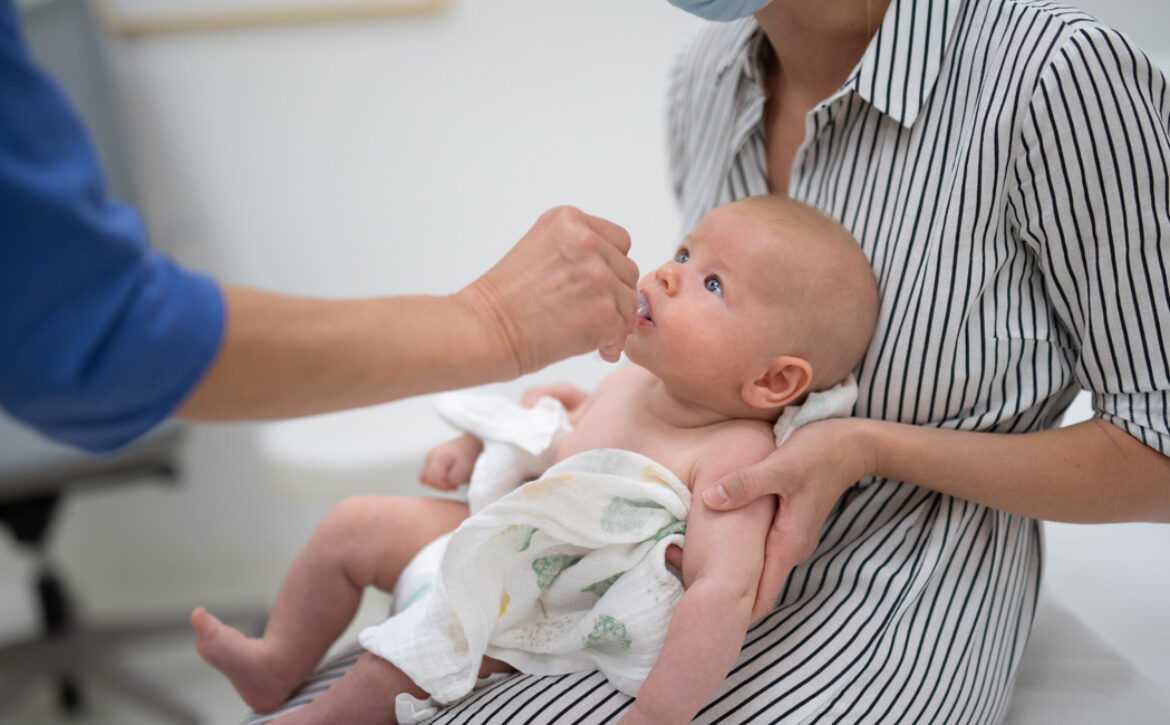
Whooping cough or pertussis in children and why vaccinate a child against it

Hripavac ili pertusis je zarazna bolest dišnog sustava uzrokovana bakterijom Bordatella pertussis, visoko je zarazna i brzo se prenosi kapljičnim putem između osoba u bliskom kontaktu

Gripa (influenca) kod djece: simptomi, trajanje i liječenje gripe
29.11.2023. Ante Mazalin 0 Comments

Flu (influenza) in children: symptoms, duration and treatment of flu

Gripa je akutna zarazna bolest uzrokovana virusom influence, a izaziva epidemije po cijelom svijetu, najčešće u hladnijem dijelu godine

Cijepljenje djece protiv rotavirusa: zašto, kada i ima li nuspojava
29.11.2023. Ante Mazalin 0 Comments

Vaccination of children against Rotavirus: why, when and are there side effects

Rotavirus je najvažniji uzročnik proljeva i povraćanja u djece predškolske dobi. Radi se o virusu koji je visoko zarazan i vrlo se brzo i jednostavno prenosi između ukućana

Bronhitis u djece: uzroci, simptomi i liječenje
29.11.2023. Ante Mazalin 0 Comments

Bronchitis in children: causes, symptoms and treatment

U doslovnom prijevodu označava upalu bronha, donjih dišnih puteva koji se granaju od dušnika (traheje), koji posljedično različitim uzrocima postaju suženi s pojačanim lučenjem bronhalnog sekreta.

Vodene kozice kod djece: simptomi, trajanje i liječenje
26.11.2023. Ante Mazalin 0 Comments

Chickenpox in children: symptoms, duration and treatment

Vodene kozice, poznate i pod nazivom varičela, su virusna zarazna bolest koja se izrazito lako prenosi sekretom dišnih puteva ili tekućinom mjehurićastih kožnih

Povišena tjelesna temperatura kod djece: što kad dijete ima temperaturu?
22.11.2023. Ante Mazalin 0 Comments

Elevated body temperature in children: what to do when a child has a fever?

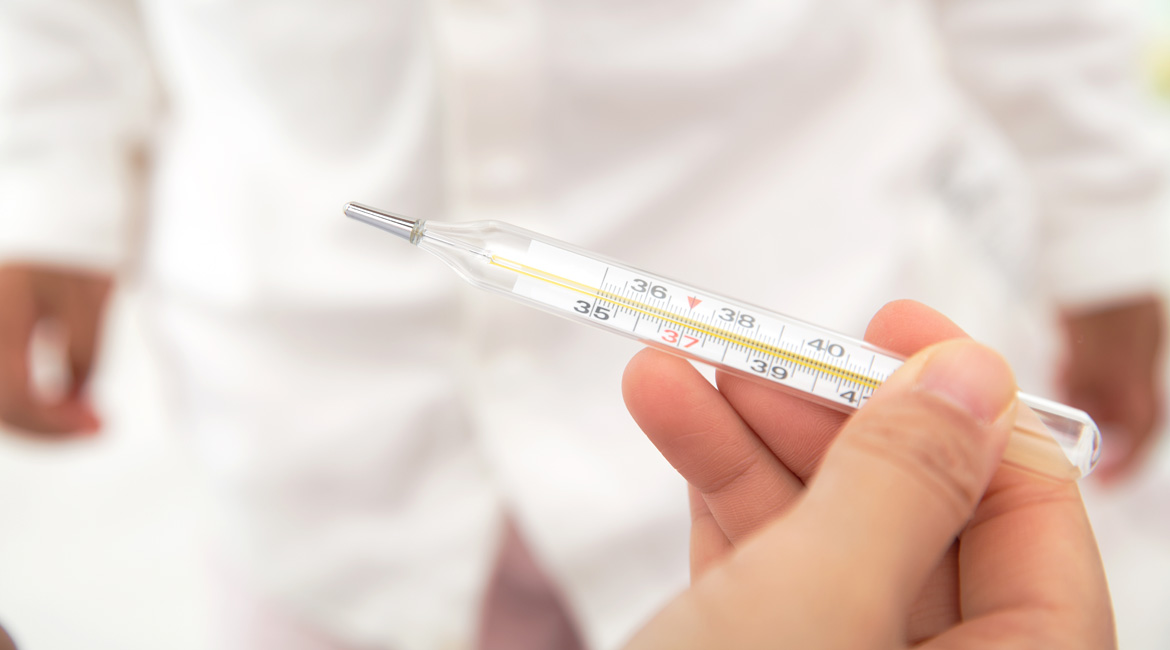
We consider an elevated body temperature in a child above 37.2°C measured under the armpit (axillary temperature), or 37.8°C measured in the hindgut (rectal temperature) or in the ear (tympanic temperature). It warns us about the existence of a certain disease, in children most often of infectious origin.

When to measure a child's temperature?

Always when the child seems warmer than usual, when  he or she is calmer, irritable and tearful, has a poor appetite and with the presence of signs of illness (e.g. severe sniffling, coughing, diarrhea or vomiting, rash, headache or the like).

How to measure a child's temperature correctly?

In the first year of a child’s life, it is recommended to measure the rectal temperature – the narrower part of the thermometer is placed about 2 cm into the opening of the hindgut and kept there as long as the temperature on the thermometer rises (usually it takes 2 to 3 minutes).

In older children, we usually measure axillary, by placing the narrow part of the thermometer in the centre of the previously dried armpit and placing the hand next to the body. The required measurement time is about 10 minutes.

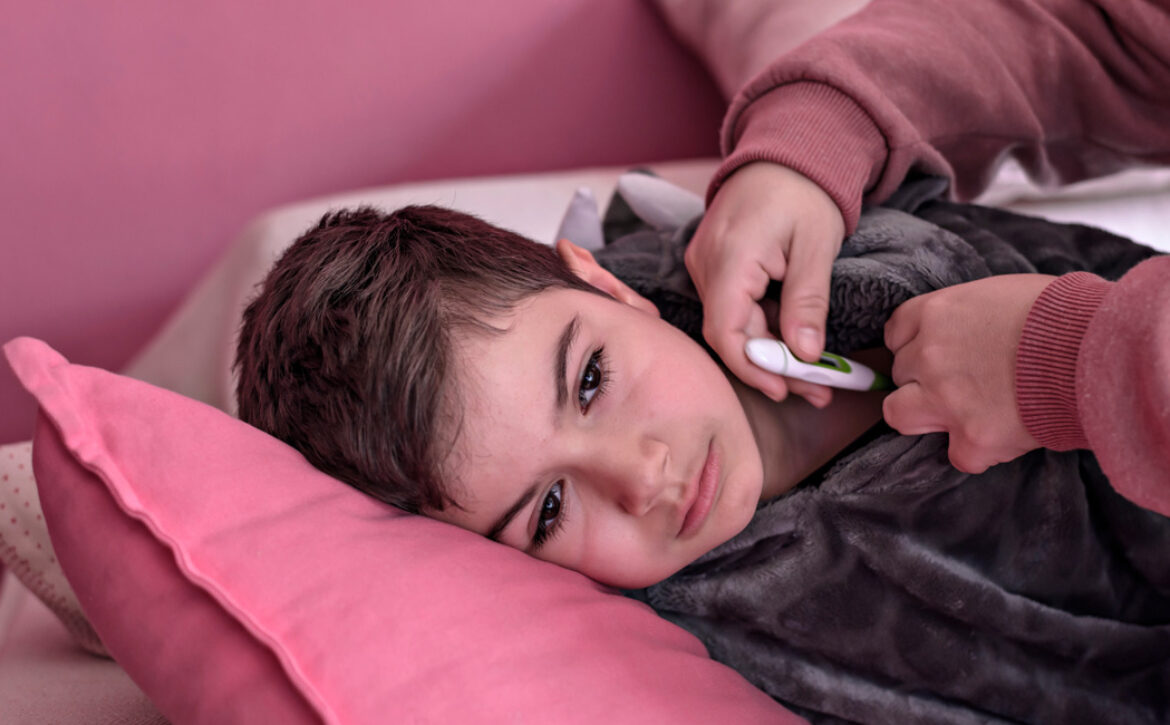
Measurement with an ear thermometer is not recommended in infants, especially in children younger than 6 months, due to the possible imprecise measurement resulting in a narrower ear canal, while in older children it may be unreliable in the case of a cerumen plug in the ear canal.

Povišena tjelesna temperatura kod djece: što kad dijete ima temperaturu?

When to lower children's temperature?

In principle, it is recommended to start lowering the temperature in children when it is above 38°C measured under the armpit or 38.5°C rectally. However, given that elevated body temperature is one of the ways in which the body deals with infectious disease agents, primarily by improving the function of the immune system, the need to lower the temperature is best assessed individually. Children who are lively, have no pain, behave properly and tolerate a high temperature well should not be given an antipyretic immediately.

On the other hand, for the youngest children (up to 12 months of age) and the older ones who have severe accompanying symptoms such as muscle pain, headache, lethargy, poor appetite and malaise, we can start lowering the body temperature even before reaching the specified values.

Why do we lower the temperature in children?

In addition to alleviating the previously mentioned accompanying symptoms of fever, by lowering high temperature values in children, we reduce the possibility of other unwanted consequences, primarily dehydration (increased fluid loss) or febrile convulsions (a seizure during which the child loses consciousness and turns blue), usually lasting several seconds to minutes, especially in the youngest children.

Povišena tjelesna temperatura kod djece: što kad dijete ima temperaturu?

How to lower a child's fever?

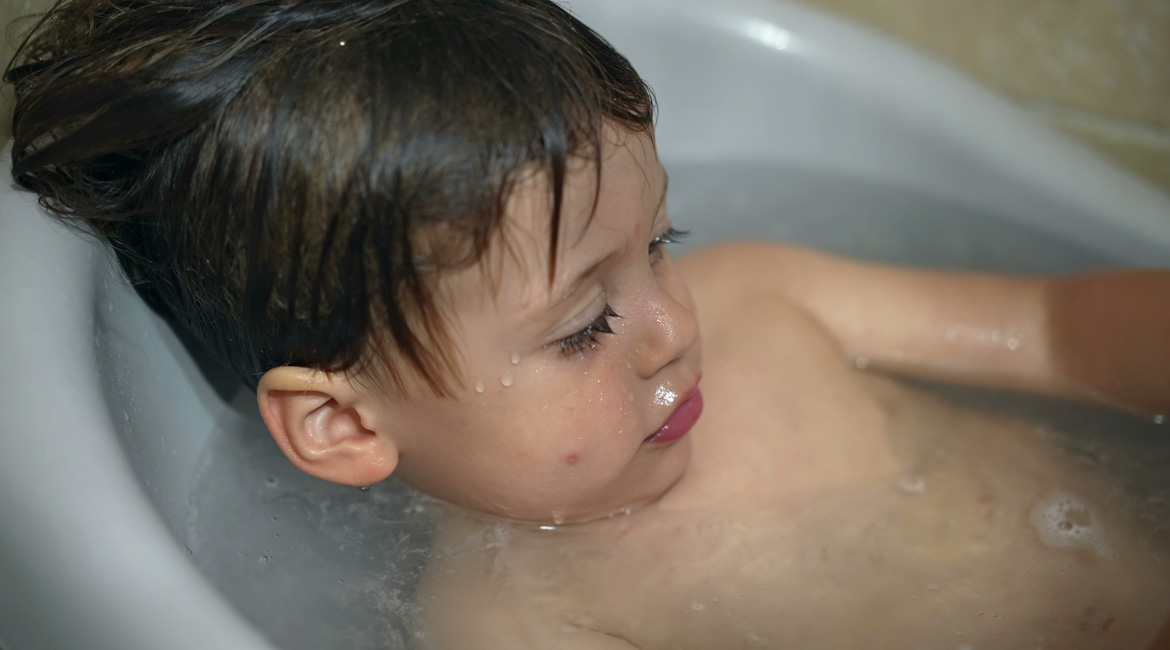
Primarily with medicines. The most suitable are paracetamol and ibuprofen, if possible as a single drug or a combination of both in case of ineffectiveness of one drug, while following the instructions on quantities and time interval between administration of individual doses (the interval between two doses of paracetamol should not be shorter than 5 hours). We can also help by bathing the child – about twenty minutes after giving the medicine (onset of action for the specific medicine) while preventing shivering, put the child in a water tub at a temperature of about 37°C for about twenty minutes for slow cooling.

We must also not forget about the risk of dehydration, so it is necessary to regularly offer the child liquid – tea, juice or water at room temperature.

When to contact the doctor?

In the case of elevated body temperature in newborns and infants younger than 6 months, because then there is a higher probability of serious bacterial infections than at a later age, and the signs and symptoms of the disease are often more difficult to notice.

In older children, it is necessary to contact us immediately in case of an extremely high temperature (40°C and above), especially if it is less responsive to medication or is accompanied by shivering, and in the event of other signs of the disease – severe headache, profuse vomiting, impaired consciousness, difficulty breathing, skin rash or refusal to take liquids.

If you recognize some of these signs, do not hesitate to contact us – the medical team of the Salvea Polyclinic is at your disposal.