Category: Words from our team

Dijete i posjet liječniku: kako plišane igračke pomažu smanjiti strah i tjeskobu?

A child and a visit to the doctor: how do stuffed toys help reduce fear and anxiety?

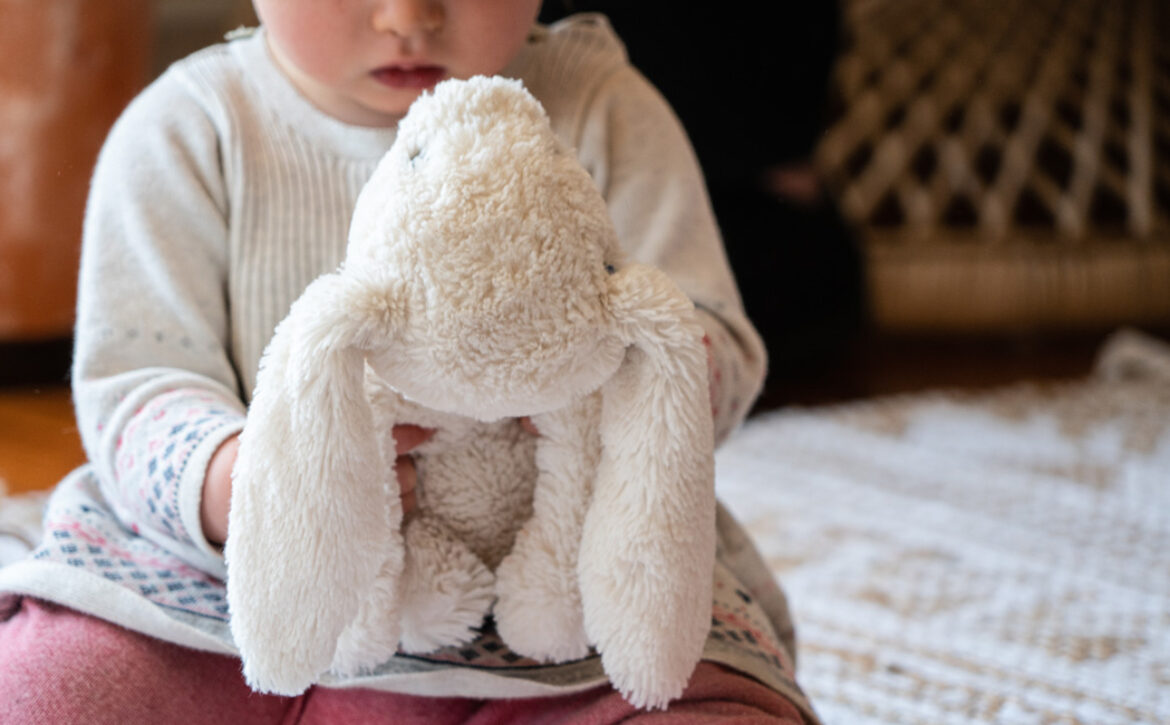
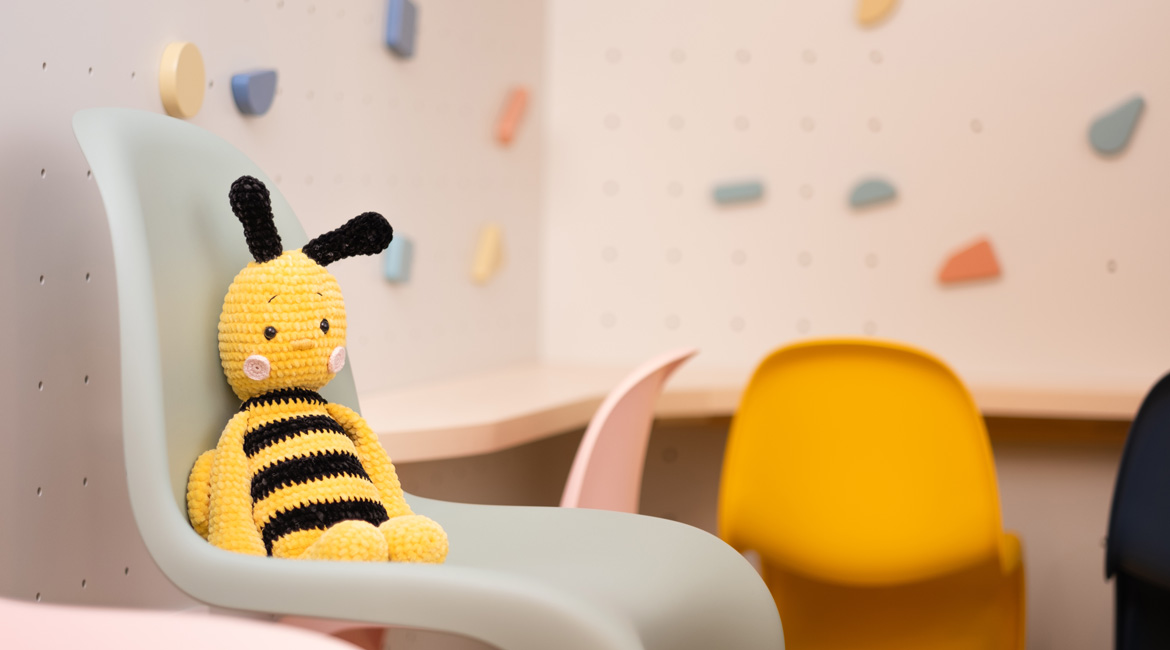
Stuffed toys, such as a favourite teddy bear or bunny, can help reduce stress and anxiety during a medical exam. If you are preparing for a visit to the pediatrician soon, do not hesitate to bring your favourite stuffed animal, because new surroundings, new people, no matter how warm and smiling they are, can cause your little one to feel insecure.

For children who at the same time deal with an acute condition, feel pain or weakness, a stuffed animal can provide comfort, help in adapting to new conditions and give the child the necessary security that will give the doctor access and the opportunity to start the examination.

There are several reasons why such soft and child-friendly toys are the best choice for creating a sense of security when visiting the pediatrician, and therefore, feel free to bring your little one’s favourite stuffed animal with you for your next visit to the Salvea Polyclinic.

Soft stuffed toys are best friends

Symptoms of some diseases, weakness, going to the doctor and unknown stimuli can trigger a stress response in children. At the Salvea Polyclinic, we try to create a pleasant and happy environment right from the entrance to the reception – through the decoration of the space, soothing sounds, smiling staff, but also toys that give the child a signal that he is in a safe environment. In order to further reduce the feeling of discomfort when visiting the doctor, we encourage children and parents not to hesitate to play with a favourite toy or seek the comfort of a soft, reliable stuffed animal in the waiting room and office. At Salvea Polyclinic, we love plush toys!

They distract from the source of stress

Plush toys are our assistants and assist us in diverting attention from sources of stress and help children redirect their focus. This can be a valuable tool for dealing with an uncomfortable moment, for example a stuffed animal can take your mind off the needle during a blood draw or vaccination or redirect your focus from a new and unfamiliar environment.
Dijete i posjet liječniku: kako plišane igračke pomažu smanjiti strah i tjeskobu?

They improve the mood

Plush toys instantly improve the mood. Expressive, smiling, soft – plush toys are a multi-sensory experience for children and can improve their mood after crying or feeling uncomfortable.

On your next visit to the Salvea Clinic, feel free to bring your favourite stuffed animal or any toy that will give your little one a sense of familiarity, security and create a link with the sense of comfort he feels when he spends time playing. Salve Polyclinic is here to make every visit to the doctor as pleasant as possible, and plush toys are our faithful assistant!
Povišena tjelesna temperatura kod djece: što kad dijete ima temperaturu?
22.11.2023. Ante Mazalin 0 Comments

Elevated body temperature in children: what to do when a child has a fever?

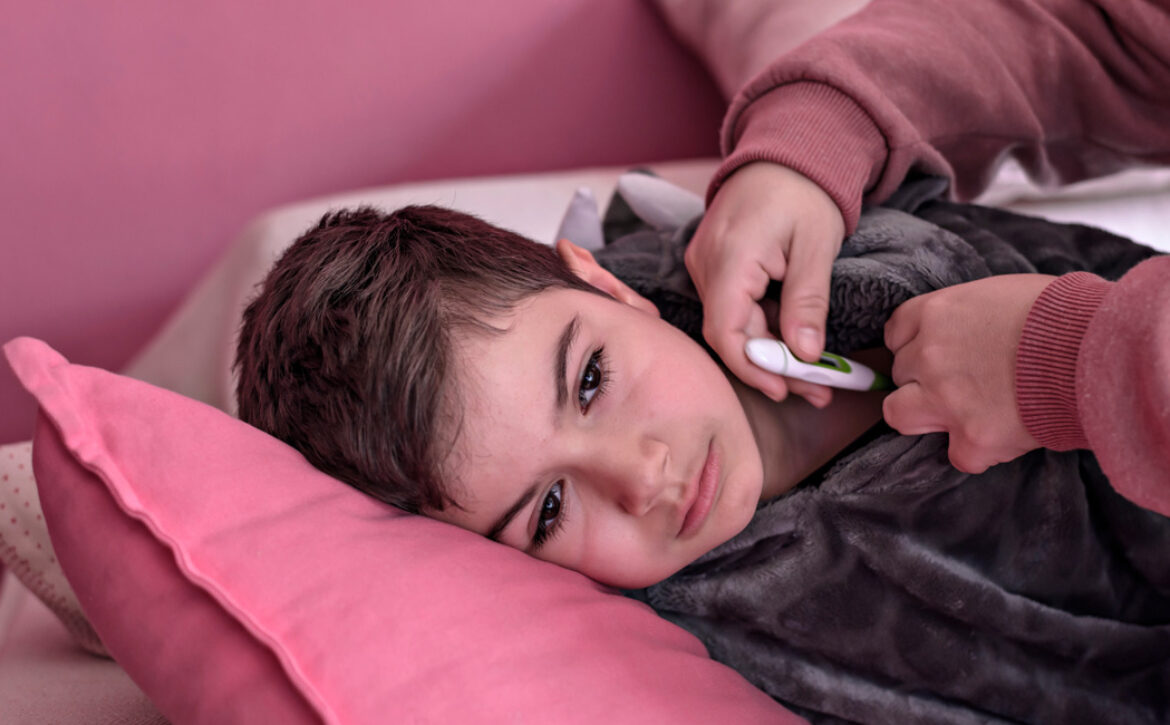
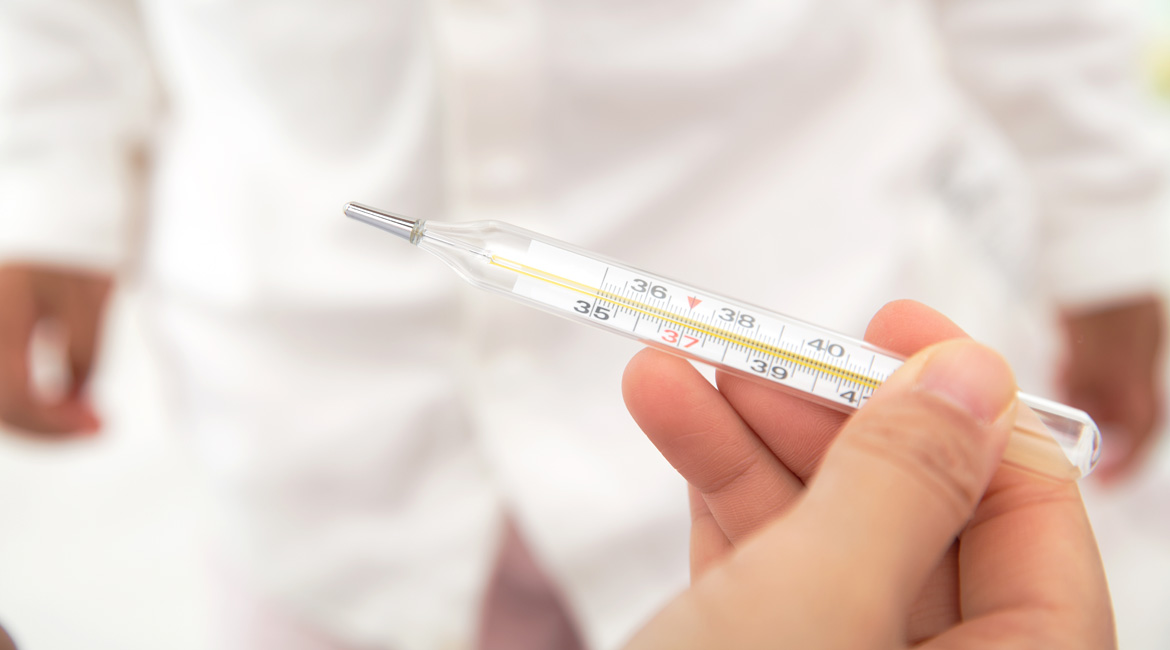
We consider an elevated body temperature in a child above 37.2°C measured under the armpit (axillary temperature), or 37.8°C measured in the hindgut (rectal temperature) or in the ear (tympanic temperature). It warns us about the existence of a certain disease, in children most often of infectious origin.

When to measure a child's temperature?

Always when the child seems warmer than usual, when  he or she is calmer, irritable and tearful, has a poor appetite and with the presence of signs of illness (e.g. severe sniffling, coughing, diarrhea or vomiting, rash, headache or the like).

How to measure a child's temperature correctly?

In the first year of a child’s life, it is recommended to measure the rectal temperature – the narrower part of the thermometer is placed about 2 cm into the opening of the hindgut and kept there as long as the temperature on the thermometer rises (usually it takes 2 to 3 minutes).

In older children, we usually measure axillary, by placing the narrow part of the thermometer in the centre of the previously dried armpit and placing the hand next to the body. The required measurement time is about 10 minutes.

Measurement with an ear thermometer is not recommended in infants, especially in children younger than 6 months, due to the possible imprecise measurement resulting in a narrower ear canal, while in older children it may be unreliable in the case of a cerumen plug in the ear canal.

Povišena tjelesna temperatura kod djece: što kad dijete ima temperaturu?

When to lower children's temperature?

In principle, it is recommended to start lowering the temperature in children when it is above 38°C measured under the armpit or 38.5°C rectally. However, given that elevated body temperature is one of the ways in which the body deals with infectious disease agents, primarily by improving the function of the immune system, the need to lower the temperature is best assessed individually. Children who are lively, have no pain, behave properly and tolerate a high temperature well should not be given an antipyretic immediately.

On the other hand, for the youngest children (up to 12 months of age) and the older ones who have severe accompanying symptoms such as muscle pain, headache, lethargy, poor appetite and malaise, we can start lowering the body temperature even before reaching the specified values.

Why do we lower the temperature in children?

In addition to alleviating the previously mentioned accompanying symptoms of fever, by lowering high temperature values in children, we reduce the possibility of other unwanted consequences, primarily dehydration (increased fluid loss) or febrile convulsions (a seizure during which the child loses consciousness and turns blue), usually lasting several seconds to minutes, especially in the youngest children.

Povišena tjelesna temperatura kod djece: što kad dijete ima temperaturu?

How to lower a child's fever?

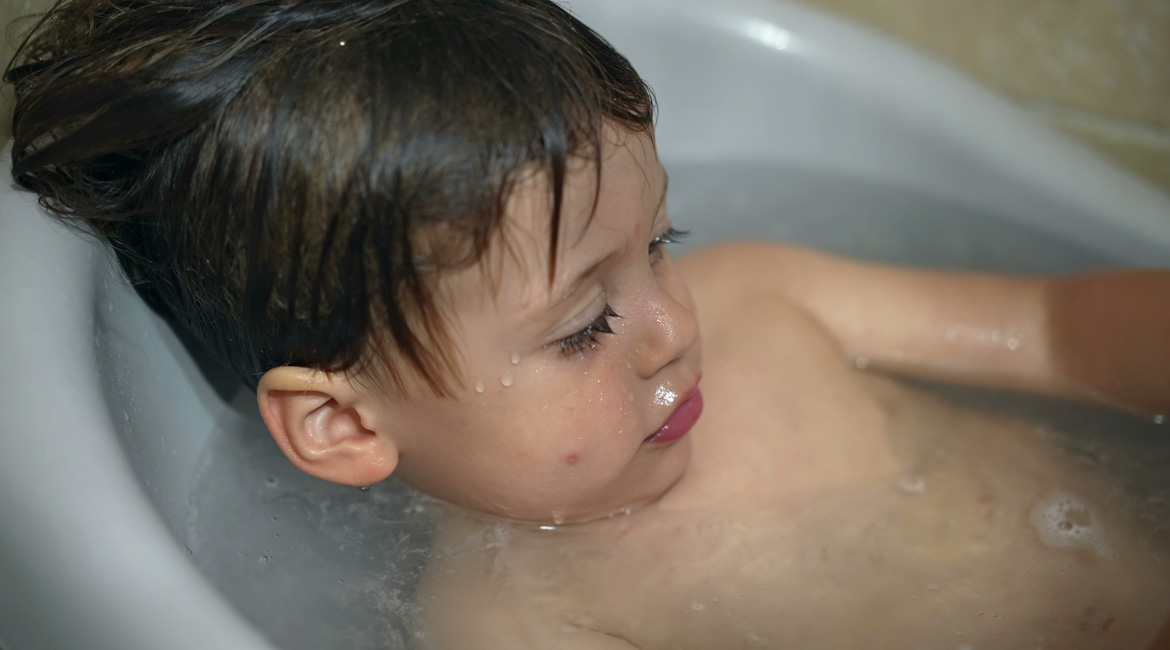
Primarily with medicines. The most suitable are paracetamol and ibuprofen, if possible as a single drug or a combination of both in case of ineffectiveness of one drug, while following the instructions on quantities and time interval between administration of individual doses (the interval between two doses of paracetamol should not be shorter than 5 hours). We can also help by bathing the child – about twenty minutes after giving the medicine (onset of action for the specific medicine) while preventing shivering, put the child in a water tub at a temperature of about 37°C for about twenty minutes for slow cooling.

We must also not forget about the risk of dehydration, so it is necessary to regularly offer the child liquid – tea, juice or water at room temperature.

When to contact the doctor?

In the case of elevated body temperature in newborns and infants younger than 6 months, because then there is a higher probability of serious bacterial infections than at a later age, and the signs and symptoms of the disease are often more difficult to notice.

In older children, it is necessary to contact us immediately in case of an extremely high temperature (40°C and above), especially if it is less responsive to medication or is accompanied by shivering, and in the event of other signs of the disease – severe headache, profuse vomiting, impaired consciousness, difficulty breathing, skin rash or refusal to take liquids.

If you recognize some of these signs, do not hesitate to contact us – the medical team of the Salvea Polyclinic is at your disposal.

Pelenski osip - kako izgleda, zašto se javlja i kako ga liječiti
20.11.2023. Marina Yates 0 Comments

Diaper rash – what it looks like, why it occurs and how to treat it

What is diaper rash?

Diaper rash is a common form of skin inflammation (dermatitis) in children who wear diapers. More than half of babies get diaper rash, most often between the ages of 4 and 15 months. It occurs more often in children with thrush), in infants who are taking antibiotics or after the introduction of complementary foods. Less frequent diaper changes, diarrhoea, introduction of new clothes washing agents, humidity and heat contribute to its development. As the baby’s skin is delicate and sensitive, superinfection with fungi and sometimes bacteria can easily occur.

What does diaper rash look like?

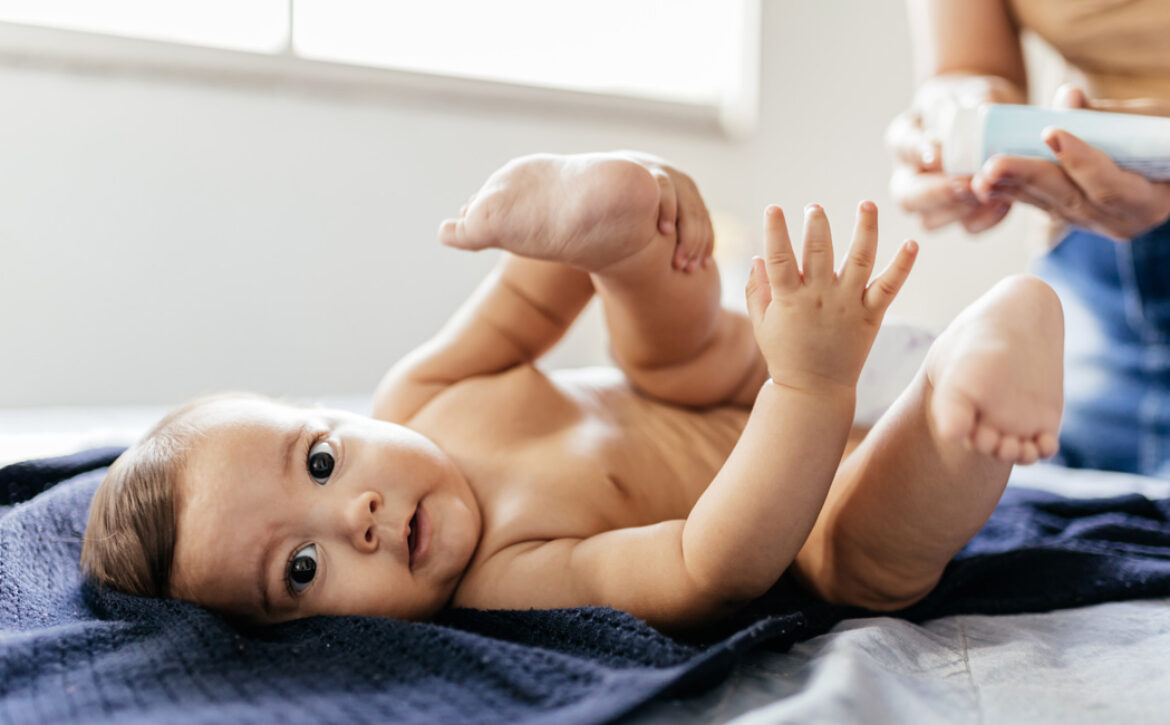
When diaper rash occurs, the skin is reddened and looks like a large red spot in the diaper area. It goes away with the use of diaper area skin care creams, and your baby will thank you if you leave her without a diaper for a period of time to allow the skin to dry and “breathe”.

How to cure diaper rash?

When a fungal infection occurs, most often Candida Albicans, the skin of the diaper area looks somewhat different: it is inflamed, extremely red and painful, and small white pimples are often observed. Your child is dissatisfied and irritable. In more serious cases, the skin may crack and bleed. If you suspect a fungal infection, you should seek the advice of a pediatrician who will recommend one of the antifungal creams that will quickly remove the signs of the disease and relieve you of your troubles.

What to do when the skin of the baby’s bottom burns?

The first and most important thing is to keep the skin of the diaper area dry and clean. When changing, it is useful to follow these steps:

  1. Wash the bottom with lukewarm water and pat it dry. Rubbing can be painful and uncomfortable.
  2. Use gentle baby soaps only if the poop is difficult to remove
  3. If the area is extremely painful, rinse the bottom with a gentle stream of water without rubbing
  4. If possible, leave the child without a diaper to let the skin dry on its own or pat it dry with a soft towel
  5. Do not use powder, but apply cream for the diaper area or medicine recommended by the doctor to the skin

Autosjedalice

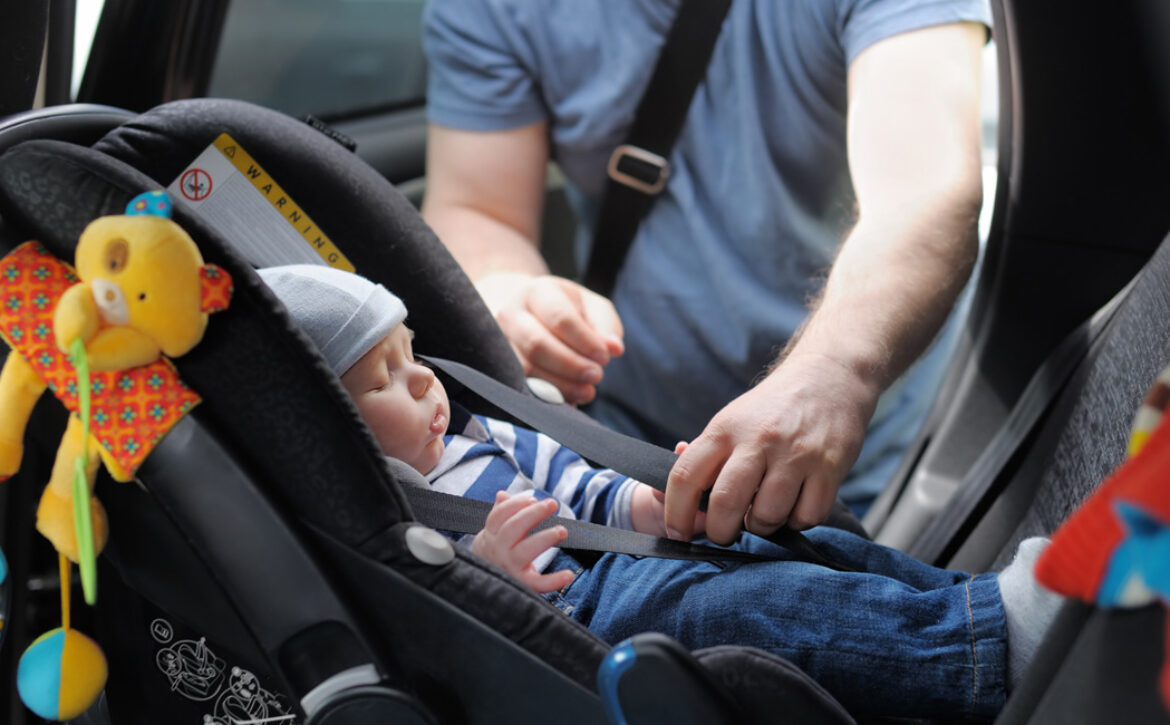
Car seats – everything you need to know about the safety of children in traffic

Sigurnost djece u prometu i prevenciju potencijalno ugrožavajućih stanja trebali bi staviti povrh svega kada znamo da su prometne nesreće najčešći vanjski uzrok smrtnosti kod djece svih dobnih skupina